

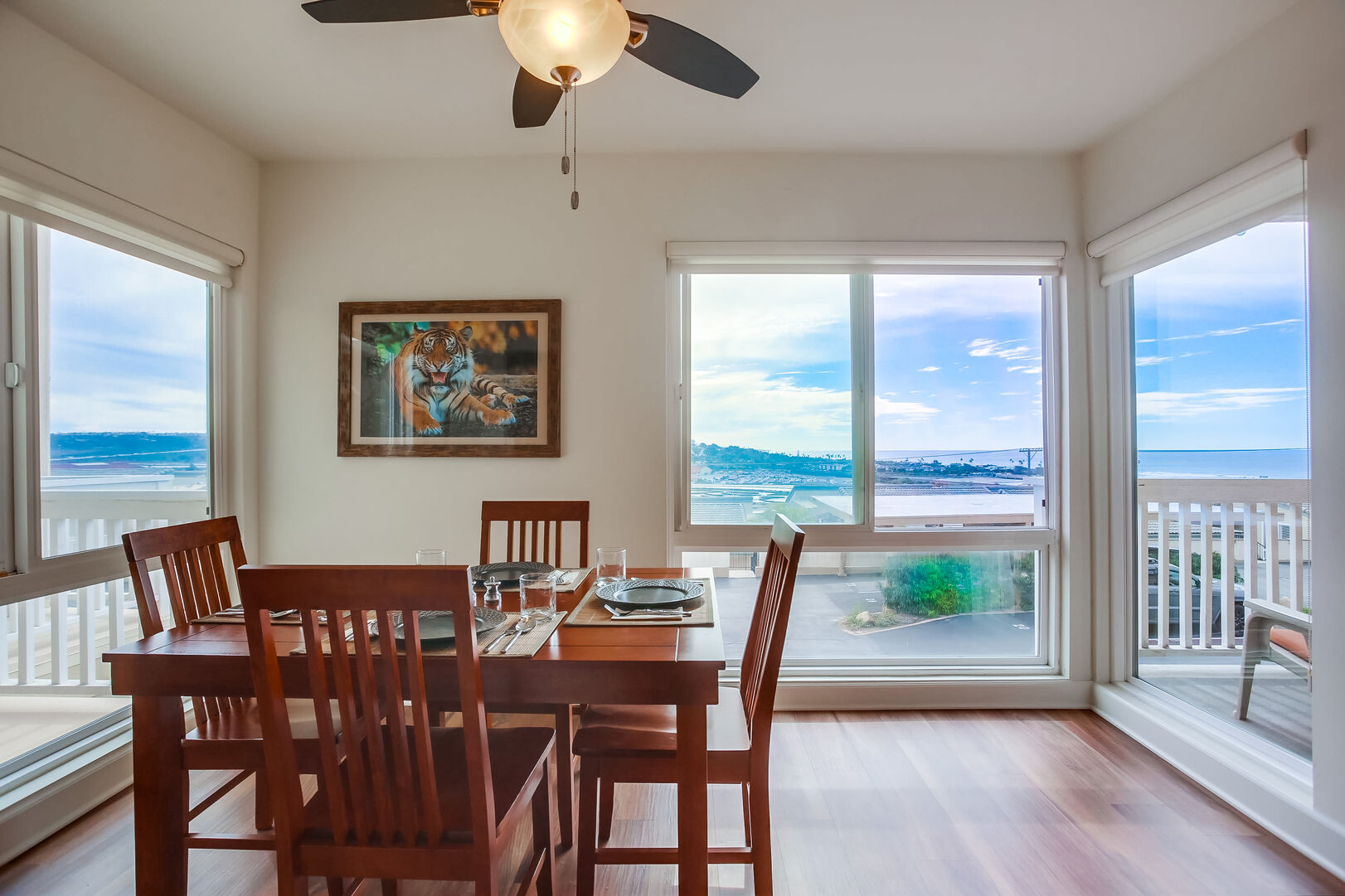
Solana Beach has some of the most desirable oceanfront rental properties in San Diego County. Condominiums along South Sierra Avenue sit above the Pacific, with several communities offering beach access, pools, and other shared facilities. For owners, these are wonderful properties to have in a vacation rental portfolio. They also require quite a bit of attention, particularly when the home is part of a homeowners association.
A sticking balcony door, a parking dispute, or an HOA notice about guest registration can become an owner’s problem even if they’re hundreds of miles away. Salt air wears on exterior hardware. Community rules affect how a property can be rented. And with bluff-top homes, there are additional considerations involving beach access, exterior maintenance, and coastal conditions.
We’ve managed oceanfront condominiums in Solana Beach, so we’re familiar with the additional coordination involved in caring for these homes. Our Solana Beach vacation rental management services cover the daily work of operating a rental, including marketing, guest communication, housekeeping, and coordinating maintenance. HOA requirements and coastal property conditions are important parts of the conversation when we evaluate a home for management.
For anyone who owns an oceanfront condo or is considering buying one as a vacation rental, there are a few things worth understanding before putting the property on the rental market.
- What Makes Solana Beach Oceanfront Properties Different?
- Understanding HOA Rental Restrictions
- Solana Beach Vacation Rental Regulations
- Managing Salt Air and Coastal Maintenance
- Bluff Conditions and Beach Access
- Managing Guests Within an HOA Community
- Choosing a Solana Beach Property Manager
- Our Approach to Solana Beach Property Management
- Frequently Asked Questions
Explore Our Solana Beach Management Services
What Makes Solana Beach Oceanfront Properties Different?
Many of the area’s oceanfront vacation rentals are located in condominium communities rather than standalone houses. That changes how the property is operated. Owners have responsibilities inside their individual units, while the HOA may control exterior building components, common areas, parking arrangements, and recreational facilities.
The distinction becomes particularly important when maintenance is needed. Replacing a privately owned appliance is usually straightforward. Repairing a shared beach stairway or an exterior balcony component can involve HOA approval, building management, and specialized contractors. The management agreement and association documents determine who handles each part of the process.
Shared Facilities Require Clear Instructions
Guests staying in a condominium may have access to a community pool, tennis courts, common walkways, and designated parking. Each facility can have its own hours and restrictions. The challenge is making sure guests understand the arrangements before they arrive.
A family traveling with two cars needs accurate parking information. Guests arriving late should know how to find the correct entrance without disturbing residents. If access to a shared facility requires a key or pass, those instructions belong in the arrival information rather than being left for the guest to figure out.
Oceanfront Exposure Changes Maintenance Priorities
Coastal weather affects properties differently depending on their location and construction. A balcony facing the ocean receives more direct exposure than an interior room. Exterior metal hardware may need closer attention, and sliding glass doors can experience wear from sand, salt deposits, and frequent use.
Those issues are manageable when they’re identified early and the appropriate contractor is involved. The trouble starts when small maintenance concerns go unreported between reservations and become problems for the next arriving guest.

Understanding HOA Rental Restrictions in Solana Beach
Before listing a condominium as a vacation rental, the owner needs to know what the association permits. This is especially important for anyone purchasing a property specifically for rental income. The fact that other homes in the community have been rented previously doesn’t establish what is allowed under the current governing documents.
Review the Rental Rules Before Accepting Bookings
Start with the CC&Rs, bylaws, and current association rules. Look for minimum lease periods, occupancy restrictions, registration requirements, and any limitations on the number or frequency of rentals. Rental restrictions must comply with applicable California law, and owners should have an attorney review provisions that are unclear or disputed.
A city-issued vacation rental permit does not automatically override an HOA’s enforceable restrictions. A property may meet Solana Beach’s municipal requirements while still being subject to a longer minimum rental period under the association’s rules.
Parking, Registration, and Community Rules
Many of the issues that lead to complaints are quite ordinary. A guest uses a reserved parking space belonging to another owner. Beach equipment is left in a shared hallway. Someone assumes the community pool remains open later than the posted hours.
These situations are easier to prevent when the property has clear instructions. Some communities also require guest names or vehicle information before arrival, so owners and managers need to agree on who handles those submissions and how much advance notice is necessary.
Handling Notices and Violations
An HOA violation notice may be sent directly to the owner, even when the issue involves a guest. That is why the management agreement should explain how complaints are communicated, who responds to the association, and how the guest will be contacted if corrective action is required.
Owners should also know whether the association assesses fines and what process it uses to resolve violations. Those details belong in the current association documents.
Keep the latest rental policies, parking assignments, guest registration requirements, amenity rules, and HOA contact information together. When something changes, update the property’s arrival instructions and house rules before the next reservation. Old instructions can be surprisingly difficult to correct once guests are already at the property.

Solana Beach Vacation Rental Regulations and Permits
Solana Beach has its own short-term vacation rental program, separate from the rules in neighboring Del Mar, Encinitas, or the City of San Diego. Owners should use the city’s published requirements rather than assume that a rental arrangement permitted elsewhere in the county will work here.
The Seven-Day Rental Framework
The City of Solana Beach regulates qualifying short-term vacation rentals involving stays of seven to thirty consecutive days. That affects how owners configure availability and what types of reservations they can accept.
Someone accustomed to renting a property for two-night weekends in another California beach town will need to account for Solana Beach’s different rules. The city’s rental framework also needs to be considered when developing a pricing strategy. A property marketed primarily for weeklong visits has a different booking pattern from one that regularly accepts short weekend stays.
Permits and Renewals
Owners operating within the city’s short-term vacation rental program need to address the applicable permit requirements and keep their information current. The city’s website provides application and renewal information, along with instructions for its online filing system.
It’s also important to establish who will handle notices and communications from the city. Owners should not assume their property manager automatically takes responsibility for permit renewals or regulatory filings unless those services are included in their agreement.
Transient Occupancy Tax and Recordkeeping
Solana Beach administers a Transient Occupancy Tax program for qualifying stays. The city’s published instructions explain monthly reporting and payment procedures, including how to use its online portal. Owners should confirm current tax rates, filing obligations, and any exemptions directly with the city or their tax adviser.
Keep clear records of reservation dates, amounts collected, and taxes handled by booking platforms. A platform may collect certain taxes without taking over every filing obligation an owner has.
Before opening your booking calendar, verify the property’s city permit status and review the association’s current rental restrictions. A compliant rental schedule needs to satisfy all applicable requirements. If you’re unsure how a particular restriction applies, get advice from the appropriate city office or a qualified attorney.

Learn About Our Solana Beach Property Management
Managing Salt Air, Moisture, and Coastal Property Maintenance
Coastal maintenance deserves its own plan. Ocean-facing properties are exposed to salt deposits, wind, moisture, and sometimes blowing sand. The effects vary by building and location, but exterior hardware, windows, sliding doors, and outdoor furnishings are sensible places to pay attention.
Watch the Frequently Used Components
Guests open balcony doors and windows repeatedly throughout their stays. Locks and handles get regular use, and outdoor furniture may be moved more frequently than it would be in a privately occupied second home.
Sliding doors that become difficult to operate need attention. The problem might involve sand in the track, worn rollers, damaged hardware, or deteriorating seals. A technician can identify the cause and recommend the proper repair. If the door or window is considered an HOA-controlled exterior component, the association may need to approve or arrange the work.
Salt Exposure and Metal Corrosion
Outdoor locks, hinges, lighting fixtures, and railings may show corrosion over time. How quickly that happens depends on the materials, coatings, installation, and degree of exposure. Following manufacturer maintenance recommendations helps, but components showing significant deterioration or movement should be assessed by a qualified professional.
Railings deserve particular caution because their structural condition cannot be determined from a casual visual check. If there’s a safety concern, restrict use of the affected area and have it evaluated by someone qualified to make that assessment.
Moisture Inside the Property
Persistent condensation, musty odors, water staining, and deteriorating seals can indicate conditions that need investigation. Good ventilation and appropriate maintenance help protect furnishings and interior finishes, but recurring moisture problems should be evaluated rather than repeatedly covered up with cleaning or cosmetic repairs.
Outdoor furniture is another area where owners can make practical choices. Materials designed for outdoor coastal exposure are generally better suited to an uncovered balcony than furniture intended for sheltered indoor use.
Between-Stay Inspections
Between reservations, the property should be checked for issues that could affect the next guest. Our property care and maintenance services address the preparation and ongoing care that vacation homes require, including coordinating work when something needs attention.
For oceanfront properties, we recommend paying particular attention to the following:
- Doors and windows: Check operation, latches, and visible damage to seals or tracks.
- Outdoor areas: Look for damaged furniture, loose components, or visible deterioration that needs professional attention.
- Moisture: Report leaks, unusual odors, condensation, and water staining.
- Appliances: Check the operation of amenities supplied to guests and follow up on any reported problems.
- Guest reports: Keep maintenance notes so repeated issues can be identified and addressed.
These routine checks are intended to identify observable problems. Structural inspections, electrical diagnostics, significant water intrusion, and coastal engineering concerns need appropriately qualified specialists.

Bluff Conditions, Coastal Repairs, and Beach Access
Solana Beach’s coastal bluffs are part of what makes its oceanfront properties so attractive. They’re also subject to natural coastal processes that owners should understand. Erosion, storm conditions, drainage, and changes to shoreline infrastructure can affect properties and beach access, although the risks differ significantly from site to site.
When a Condition Needs a Specialist
A property manager can document an observable problem and contact the owner or responsible authority. Evaluating the stability of a bluff, retaining structure, or building foundation requires a qualified geotechnical or structural professional.
Owners should take official hazard notices, unusual ground movement, damaged structures, or significant drainage changes seriously. If a competent authority determines an area is unsafe, guests need clear instructions to stay away from it.
Beach Stairways and Temporary Closures
Some bluff-top condominium communities offer beach access through shared stairways. Those facilities may occasionally close for repairs, inspections, or safety reasons. Where access belongs to the HOA, reopening or repairing it is generally a matter for the association and its contractors.
For an upcoming reservation, a change to beach access needs to be communicated promptly. Guests who booked a property partly because of its access to the sand should receive accurate information about the closure and available alternatives. The handling of any reservation changes or remedies depends on the booking agreement and applicable law.
Permits for Coastal Construction
Major work affecting coastal structures or bluff areas may be subject to additional permitting. The California Coastal Commission provides information about coastal development permits and the agencies responsible for reviewing different projects.
Ordinary interior repairs and major exterior construction shouldn’t be treated as interchangeable. Owners considering substantial coastal work should check with the appropriate permitting authority and their HOA before hiring contractors.
An oceanfront condo isn’t necessarily a beachfront condo with direct access to the sand. Confirm the actual access route and whether it’s public, private, or controlled by the HOA. Listings should also be updated when a significant access restriction is known.

Managing Guests Within an Oceanfront HOA Community
An HOA community functions best when guests know the expectations before they arrive. Vacationers aren’t necessarily familiar with assigned parking, common-area restrictions, or the routines of residents who live in the building year-round.
Set Expectations During the Booking Process
House rules should be available early enough for guests to decide whether the property suits their plans. Noise restrictions, limits on gatherings, pet rules, and parking capacity can all influence that decision. Waiting until check-in to disclose an important restriction may create frustration for everyone involved.
We screen guests and explain neighborhood and property rules as part of our management approach. Our goal is to help guests understand the homes they’re booking and respect the communities where those homes are located.
Arrival Instructions Should Match the Actual Property
An effective arrival guide explains where to park, how to enter, and which amenities are available to renters. If the community uses a gate code or a specific entrance, the directions should be clear enough for a first-time visitor to follow.
Guests may also need to know about stairs, elevator access, and the distance between parking and the unit. These details should be verified for the specific property, especially when accessibility is a consideration.
Responding to Problems During a Stay
Guests should know how to report a maintenance issue or ask for help with community access. We provide local guest support, and our property management team helps coordinate the response when something needs attention.
An HOA complaint requires its own care. The appropriate response depends on the issue, association procedures, and the terms of the management agreement. Clear documentation helps the owner understand what happened and how it was addressed.

What to Ask Solana Beach Property Managers Before Signing a Contract
Owners comparing Solana Beach property managers should spend time on the practical details of the management arrangement. The fee matters, of course, but so does the work included in that fee and the responsibilities the owner retains.
Has the Manager Worked With HOA Properties?
Ask how the manager handles association instructions, guest registration, parking requirements, and notices. Find out what information they expect you to provide and whether communication with the HOA is covered by the agreement.
How Is Maintenance Coordinated?
Coastal homes benefit from consistent attention to property condition. Ask about turnover inspections, cleaning, vendor coordination, maintenance reporting, and repair approvals. You should know what happens when a contractor discovers that a problem involves a component controlled by the association.
What Is the Booking Strategy?
Solana Beach vacation rental management needs to account for permitted rental durations and the property’s own restrictions. Pricing should reflect the home’s condition, amenities, comparable options, and the rental periods it can legally offer.
For homeowners searching for Solana Beach Airbnb management, it’s useful to ask which booking channels the company uses and how listing settings are configured. Airbnb and Vrbo are marketing and reservation platforms. They don’t determine which rental periods an HOA or municipality allows.
How Will You Stay Informed?
Discuss how the manager communicates maintenance concerns, owner expenses, reservations, and issues requiring approval. Ask which services are included and which may involve additional charges. Get those terms in writing so there is a clear understanding before management begins.
Owners with properties outside Solana Beach should also remember that local rules vary. We provide management in neighboring markets, including Del Mar and Encinitas, where the operating requirements should be reviewed independently.
Before choosing a manager, ask for a detailed explanation of cleaning, guest communication, maintenance authorization, owner reporting, and HOA coordination. The answers should relate to your individual property and be reflected in the management agreement.
Our Approach to Solana Beach Vacation Rental Management
We’ve managed two oceanfront condominiums in Solana Beach for Julie, a former owner of Ocean Front Gem. Her feedback means a great deal to us because it speaks to the work owners actually depend on: communication, marketing, billing, and taking care of maintenance issues as they arise. She has also spoken about the challenges that come with an older rental property and how our team handled problems while keeping guests informed.
Those responsibilities are a large part of what we do for owners. We market vacation properties, screen guests, coordinate housekeeping, provide guest support, and work with maintenance professionals when repairs are needed. We also take neighborhood rules seriously, particularly in communities where vacationing guests share facilities with permanent residents.
Before taking on a property, we want to understand the home itself and what the owner needs from management. With a Solana Beach condo, that discussion should include the HOA’s rental restrictions, parking arrangements, available amenities, maintenance responsibilities, and any special considerations affecting the building.
We can then discuss which of our vacation rental management services are appropriate for the property, what work is included, and where responsibilities remain with the owner or association.
If you’re considering a change in management or preparing to rent a Solana Beach home for the first time, we’d be glad to hear about the property. You can also read more about Kimberly and the company or see where we manage vacation rentals.

Talk With Us About Managing Your Solana Beach Property
Frequently Asked Questions About Solana Beach Oceanfront Rental Management
Can an HOA prevent me from operating a vacation rental in Solana Beach if I already have a city permit?
Yes, enforceable HOA rental restrictions may affect how a property can be rented even when the owner has a city permit. Solana Beach requires owners to comply with applicable association restrictions. Review the current governing documents and speak with a California real estate attorney if a provision is unclear or disputed.
Are Airbnb stays shorter than seven nights permitted in Solana Beach?
Solana Beach’s short-term vacation rental program generally regulates residential rentals of seven to thirty consecutive days, with stays shorter than seven days generally prohibited under its vacation rental rules, subject to applicable exceptions. Airbnb reservations must comply with the same local requirements. Check the city’s current rules and your property’s permit before accepting reservations.
Who is responsible for repairing beach-access stairs, exterior railings, and shared amenities at an HOA-managed property?
Responsibility depends on how the component is classified in the governing documents and on the association’s maintenance obligations. Shared stairways and common-area facilities may fall under HOA responsibility, while certain repairs may be assigned to individual owners. The HOA documents and applicable agreements should be reviewed before arranging work.
Do bluff-top vacation rental properties require special inspections because of coastal erosion?
Inspection obligations depend on the property, applicable permit conditions, building requirements, and identified hazards. Owners concerned about bluff stability should consult a qualified geotechnical or structural professional. Routine rental maintenance inspections cannot establish whether a bluff or building foundation is stable.
What should I ask a Solana Beach vacation rental manager about HOA compliance before signing a contract?
Ask how guest registration, parking instructions, association notices, and community rules are handled. Clarify responsibility for permits, tax filings, maintenance approvals, and communication with the HOA. Make sure the management agreement identifies the work the company will perform and what remains the owner’s responsibility.


